



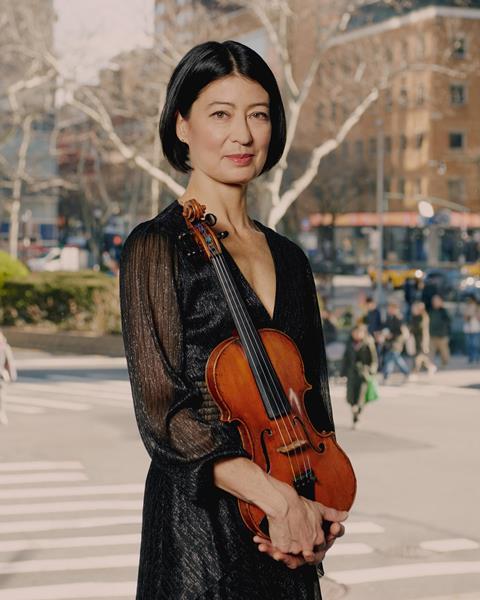
Violinist Laura Frautschi shares her experiences and approaches to maintaining a high level of physical and mental endurance as a musician, drawing parallels between the demands of professional musicians and elite athletes
Read more Featured Stories like this in The Strad Playing Hub
With such a varied and busy performance and recording careers, how do musicians rely on their bodies to perfect their craft, and how do they care for their bodies to ensure long careers?
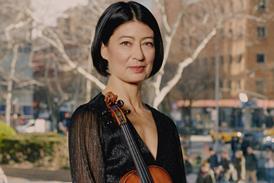
Laura Frautschi regularly performs as soloist and chamber musician throughout the United States and Asia, and collaborates frequently with living composers. She has given world premieres of violin concertos by leading American composers Lee Hyla and Augusta Read Thomas.
Frautschi studied applied mathematics at Harvard College, and violin performance with Robert Mann at The Juilliard School. She has made numerous chamber music appearances at festivals across the US and tours throughout Japan and the US as a member of piano trio Intersection, with cellist Kristina Cooper and pianist John Novacek.
Additionally she has appeared as concertmaster of the Orchestra of St. Lukes and the New York City Opera Orchestra, and tours internationally as a concertmaster of the Orpheus Chamber Orchestra.
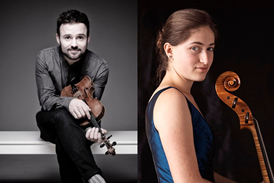
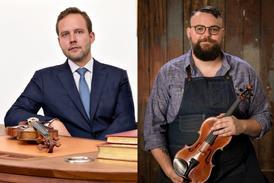
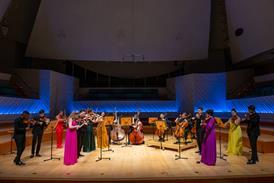
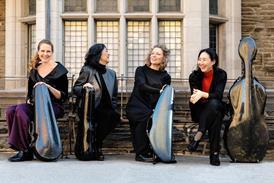
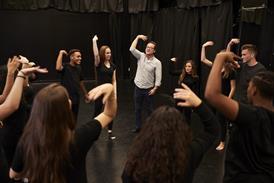
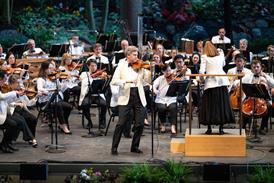
Frautschi recently appeared on a panel Inside the Orchestra: Artists As Athletes at the Lincoln Center, where associate director of classical programming, Erin Lunsford Norton, and members of the Festival Orchestra of Lincoln Center (of which Frautschi has served as principal second violin since 2010) discussed the approaches to maintaining sustainable careers for musicians.
She spoke with The Strad about how an athletic approach can inform musicians on how they can optimise their performance for a long, healthy career.
Many people don’t realise the amount of physical and mental endurance required to perform at a high level. Has there been a moment in your career when you became especially aware of the athletic side of being a violinist, and what did it teach you?
I realised early in my 20s that playing the violin is as much a physical endeavour as an artistic one. After college I entered some competitions. My daily routine involved waking up, eating breakfast, then diving into three to four hours of playing, much of it at high intensity, often without taking the violin off my shoulder. After lunch, I would repeat the same. Unsurprisingly, fatigue gave way to neck and shoulder tension which turned into arm pain and eventually tingling in my fingers. Would injury derail my career so soon?
I found a physical therapist who counseled me to take some months away from the violin and to adopt a routine of shoulder and arm stretches. She also explained the physiology of my body: the cost of playing repetitively under tension, the added risk of doing so without stretching and warming up, the importance of allowing the body to rest at regular intervals.
Athletes learn these lessons early, as even youth sports organisations place great importance on dynamic stretching, overall conditioning and cross-training. My own kids incorporated these practices from a young age, as they learnt to play soccer and other sports. Somehow this approach is not the norm for musicians. Most of us only learn when we become injured and seek help.
I eventually returned to playing the violin, duly chastened by my brush with debilitating pain and the spectre of career-threatening injury. I faithfully stretched each day before playing, observing that my old injury would threaten to flare up when I was stressed or overworked. But my routine has carried me through years of repertoire and travel.
Most musicians only learn about stretching and warming up when they become injured and seek help
What physical routines, exercises, or habits have been most important in keeping your body healthy and performance-ready throughout your career?
In the decades since my first scare, I have encountered other challenges – tennis elbow, shoulder pain, a recent nine-month bout of morning creaky fingers that my doctor attributed to hormonal changes with the onset of menopause. I have added ten minutes of finger stretching every morning before I even get out of bed.
I try to keep my personal practice sessions to 30 minutes (with a timer!) to avoid buildup of repetitive stress and to remind me to put my violin down and move around. A lifelong runner, I recently added yoga and weight training to my regime. The running has always been a great stress reliever. Interspersing yoga and strength training has helped me strengthen the muscles around my tension areas and has served as a type of cross-training to support my violin playing.
As the years of repetitive strain and normal body aging increase the physical demands of practice, rehearsal, concertising and travel, I feel best when I make time for 30 to 45 minutes of daily physical activity.
Just as athletes experience pressure before a big competition, performers often feel adrenaline before stepping on stage. How have you learnt to channel nerves or adrenaline into a positive force in your performances?
For me, adrenaline and nerves are given companions of concertising. Nerves usually come into play when I am leading an ensemble, when I have a solo role, or when I am featured in a chamber ensemble. Moreover, these days one can expect performances to be filmed and posted online. Managing nerves is part of the profession.
My approach is to prepare as well as I can so that I am relying on muscle memory and musical sense as much as possible. I try to simulate the performance experience in advance, which might include filming myself or asking others to serve as a test audience. I have found that by setting myself up to be nervous before prime time, I can evaluate how the adrenaline affects my playing, address the areas I find lacking, and gain confidence knowing that I survived and sound better than I feel.
My process gives me the courage to go into concerts knowing that I will survive, and to focus on communicating with my colleagues and the audience. And, of course, to enjoying myself!
Watch the panel Artists As Athletes here:
Read: Why are musicians afraid to rest? Rethinking recovery in classical music performance
Read: Winning mindsets: five lessons for musicians from the 2026 Winter Olympics
Read more Featured Stories like this in The Strad Playing Hub










No comments yet