
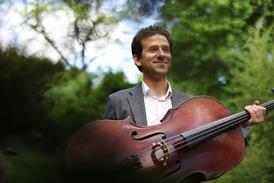


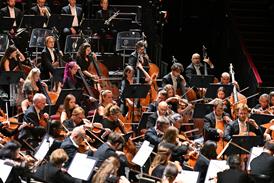







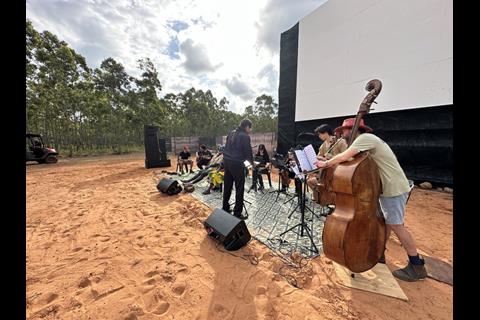
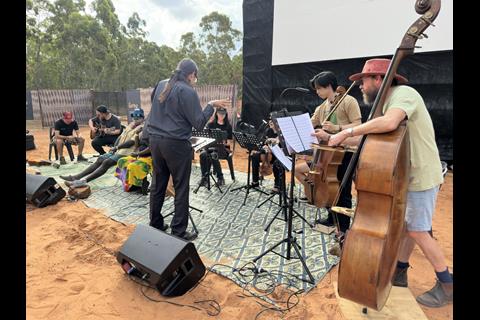
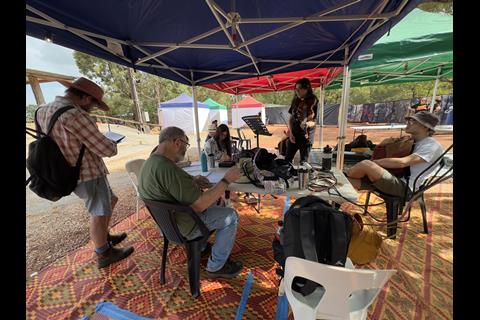
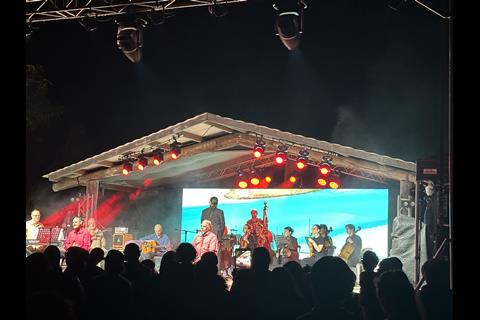
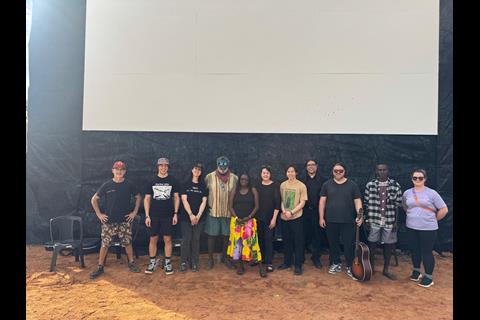
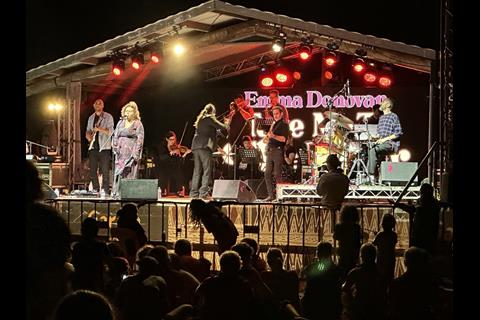
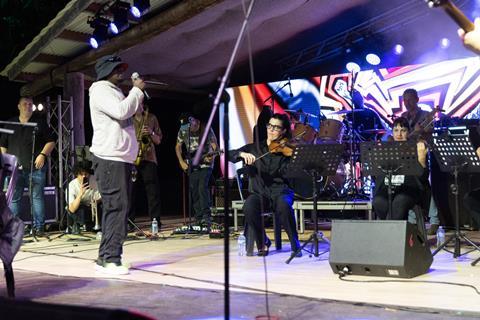
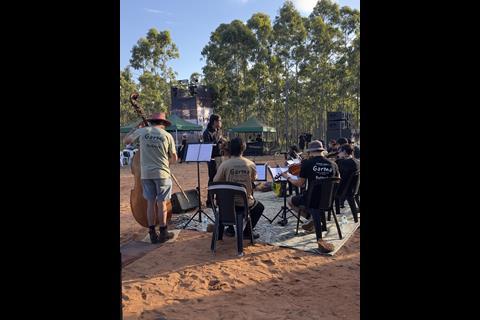
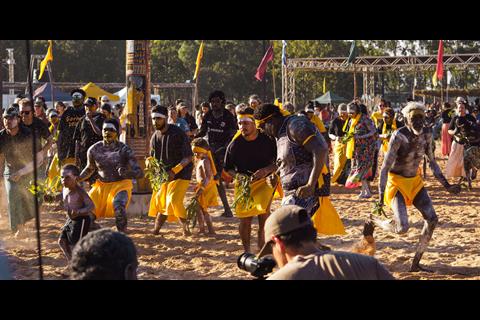
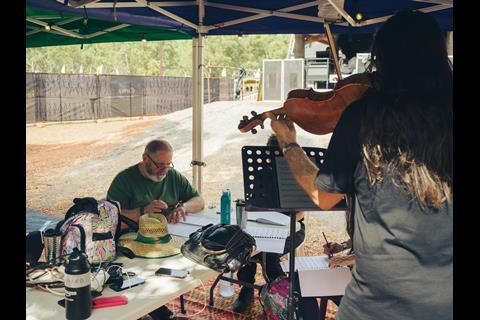
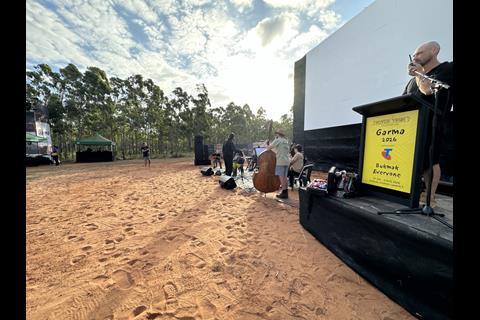
Four Melbourne Symphony Orchestra string players travelled up to rural far north Australia to perform at the Garma Festival alongside First Nations artists. Violist Aidan Filshie speaks to The Strad about the deep sense of meaning that came from the experience
Discover more Featured Stories like this in The Strad Playing Hub
Tell me how the project worked
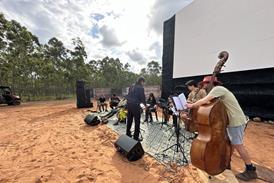
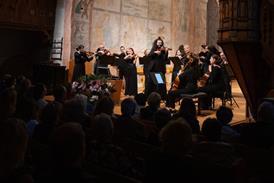
We had four string players from the Melbourne Symphony Orchestra (MSO) – Sarah Curro, Monica Curro, Caleb Wong and myself – joining with players of the Darwin Symphony Orchestra and the Arafura Music Collective. Alongside one standalone piece – Noongar composer and conductor Aaron Wyatt’s Viola Concerto – we were supporting First Nations bands and singers like Emma Donovan and the Andrew Gurruwiwi Band, adding strings to their songs. I really enjoyed that because it didn’t feel like the MSO was just coming in and imposing classical music, it was much more in the spirit of sharing music. And that’s the spirit of Garma – it’s this cultural meeting ground.
It was amazing to feel the meaning our collaboration gave to these songs. For example, after we played with Dhapanbal Yunupingu, she turned to us and said, ‘I’ve never played with strings before. It’s so incredible to get this opportunity to play and hear my music through a different medium.’ So there was this intersection of cultures.
What did you enjoy about playing music by these First Nations artists?
There’s a lot meaning behind the songs because they’re a medium for passing along knowledge and storytelling, so we would often have the meaning of a song explained to us. It was special to get a glimpse into the depth of culture and history that we were tapping into with this music.
How did it impact you as a musician?
I really felt like it removed the elitism that can exist in the industry. At Garma, you just feel like you’re contributing to the community. Just because you haven’t had a music education in a formal setting, it’s not that you can’t join in with music. It’s just a way of living that’s really accessible to anyone and no one should rule themselves out of song and dance because they feel like they haven’t earned the right to do it. I think that’s something that we could probably do a little better in the Western classical tradition.
What is the MSO’s goal behind the project?
The whole point is for the MSO to have a closer connection with the community. There’s a certain separation between musician and audience when we play on a concert stage, and it’s a whole other thing when you go to the community on the ground.
And then to have had a few MSO players, like myself, that have now experienced this culture, it establishes relationships and connections not only in the industry – like working with Darwin Symphony players and First Nations artists – but also gives more visibility to the broader Australian cultural scene. The more people that can have this sort of experience, the better. It places a new level of importance to me on all the First Nations engagements that we do.
Why do you think it’s important that major orchestras, like the MSO, do these kinds of projects?
The MSO has done a lot of collaborations with First Nations artists over the years in Melbourne. But it’s something different to go witness and engage with Aboriginal culture in Arnhem Land and be completely immersed in it on a personal level. It puts what we then do in Melbourne in context.
Another thing is that, as an Australian orchestra, we don’t have the same history and legacy as European orchestras. So, in a more existential way, these projects ask the question – what is it that makes an Australian orchestra Australian? What makes us different? And I think it’s projects just like these. There’s such a goldmine of culture and music that’s been here for millennia. In order to be proud of music practice in Australia, we need to give a voice to that culture and music, because it’s something that’s Australian.










No comments yet