
- News
- For Subscribers
- Student Hub
- Playing Hub
- Directory
- Lutherie
- Magazine
- Magazine archive
- Whether you're a player, maker, teacher or enthusiast, you'll find ideas and inspiration from leading artists, teachers and luthiers in our archive which features every issue published since January 2010 - available exclusively to subscribers. View the archive.
- Jobs
- Shop
- Podcast
- Contact us
- Subscribe
- School Subscription
- Competitions
- Reviews
- Debate
- Artists
- Accessories














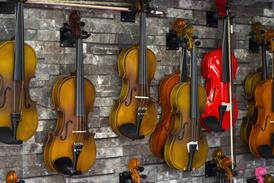


The intersection of two rivers: the violin in China

How did a European instrument become part of China’s musical identity? Violinist Xin Jin charts more than three centuries of the violin’s development in Chinese culture, from its arrival with Western missionaries to the flourishing repertoire of today
The emergence, dissemination and development of violin music in China as a foreign musical form was the product of economic and cultural exchange between East and West. It is reported that in his Relation du premier voyage des François à la Chine fait en 1698, 1699 et 1700 sur le vaisseau L’Amphitrite (not published until 1926), the French traveller François Froger recounted witnessing the Qing emperor Kangxi (1654–1722) listening to nine Western missionaries performing Western music during a tour in 1699. This account provides the earliest known record of violin music being introduced to China through live performance, as one of the missionaries was a violinist…
Already subscribed? Please sign in
Subscribe to continue reading…
We’re delighted that you are enjoying our website. For a limited period, you can try an online subscription to The Strad completely free of charge.
* Issues and supplements are available as both print and digital editions. Online subscribers will only receive access to the digital versions.
Keep informed