







As he marks his 50th birthday, the German cellist discusses his 20-year relationship with his 1727 Gofriller, the music of his childhood and his plans for the future
Discover more Featured Stories like this in The Strad Playing Hub
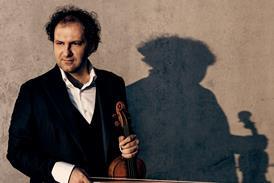
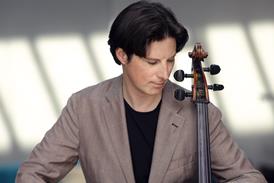
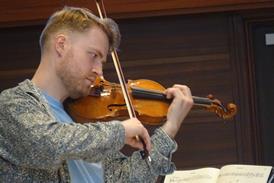
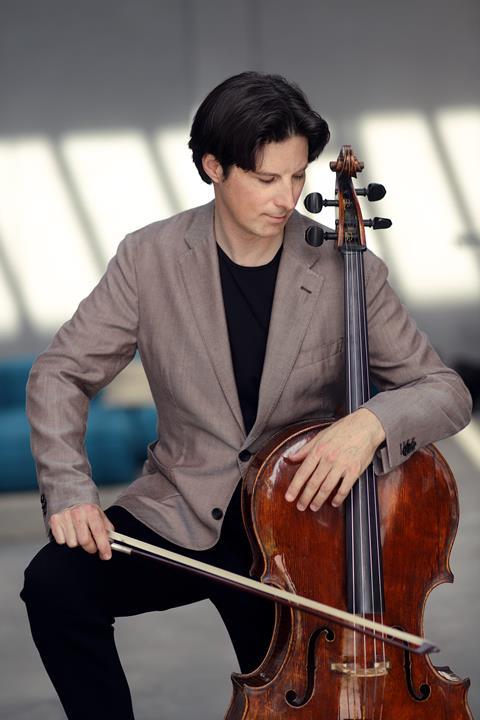
German cellist Daniel Müller-Schott celebrated his 50th birthday on 2 November. He first attracted international attention at just 15, when he won the Tchaikovsky Competition for Young Musicians. In the decades since, he has premiered music by composers including Olli Mustonen, Matthias Pintscher and Sebastian Currier, while also championing neglected works for the cello.
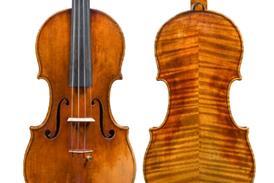
The Matteo Gofriller ‘Shapiro’ cello Müller-Schott has played for 20 years has a milestone of its own approaching: made in 1727, it will turn 300 next year.
As he takes stock of his career at 50, Müller-Schott also looks back to his musical beginnings on his latest album, Echoes of My Childhood (Orfeo), revisiting music he grew up playing with his mother. He has plenty of plans for the future, too, including new recordings and a cello concerto by Elena Kats-Chernin. Next summer, he will also chair the jury of the inaugural Danish International Cello Competition in Sønderborg, more than three decades after winning his first major competition.
Müller-Schott shared his thoughts on his relationship with the Gofriller, his musical roots, future projects and the place of classical music in today’s world with US correspondent Thomas May.
You’ve been playing your 1727 Matteo Gofriller ‘Shapiro’ cello for 20 years now. With its 300th anniversary approaching, could you tell us what makes this instrument special to you? What have you discovered about its particular sound and character over the years, and does it still surprise you?
Daniel Müller-Schott: My cello has a long history of players and was for many years in the hands of Harvey Shapiro in New York. Harvey was the cellist of the Primrose Quartet and principal cello in the NBC Orchestra under Toscanini.
I still remember when I first tried the instrument and Harvey told me, ‘You will be surprised about the sound, especially in bigger halls.’ And he was right: it has a very deep, unique voice with a powerful, human, singing quality, and projects with a lot of energy. This struck me from our first encounter, and I immediately thought I would love to become this great cello’s next life partner.
I must say, I keep discovering new facets of it every day. I find its special inner acoustics fascinating. They have probably developed through many generations of wonderful cellists putting their life energy and emotions into it, giving it more character.
Speaking of Gofriller instruments, for me it is no wonder that the great Pablo Casals kept his Gofriller cello as his lifelong partner, and I’m planning to follow his ideals.
It is no wonder that the great Pablo Casals kept his Gofriller cello as his lifelong partner, and I’m planning to follow his ideals
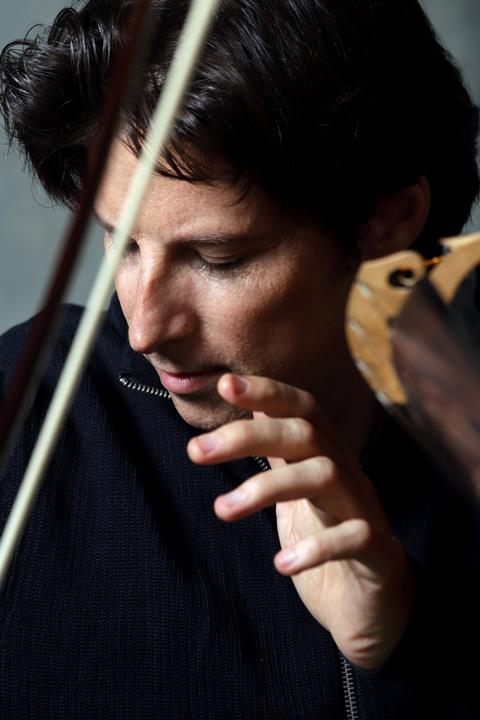
Your latest recording, Echoes of My Childhood, revisits music you grew up with, even featuring your mother’s harpsichord. What inspired you to return to these musical roots at this point in your career?
Daniel Müller-Schott: Echoes of My Childhood is probably my most personal album so far. I recorded it for Orfeo with two wonderful colleagues: the internationally renowned harpsichordist Irina Zahharenkova and Brazilian cellist Anderson Fiorelli. Together, we invite listeners into the world of composers such as Johann Sebastian Bach, Antonio Vivaldi, Luigi Boccherini and Francesco Geminiani.
For me, it felt like the right moment to look back and revisit this particular music. It is a return to my musical roots, and the inspiration behind it is deeply personal: my mother played the harpsichord, and Baroque music shaped my childhood through playing those pieces with her.
The questions I had in mind were: ‘What creates echoes and resonances in our earliest years? Is it the first sound our mother whispers to us? Is it the sound of tones that touches us deeply?’
In my life, it is the sound of Baroque music on my mother’s harpsichord that repeatedly calls forth memories of my childhood. Music has the power to transport us back to that early phase of life. The sonatas on this recording were played on the very same harpsichord I experienced with my mother in my youth.
And what are your next recording projects?
Daniel Müller-Schott: I’m already greatly looking forward to the Beethoven anniversary year in 2027. I will be playing and recording the cycle of sonatas and variations together with Francesco Piemontesi. This will come out on the Orfeo label.
I’m also planning to record American works for cello and orchestra by Previn, Barber, Bernstein and Korngold. André Previn dedicated his concerto to me, and the other pieces are closely connected with André, who was such a great, influential figure in the American music scene for so many decades, as well as my mentor and friend for many years.
You first attracted international attention at the age of just 15, winning the Tchaikovsky Competition for Young Musicians. Looking back as you turn 50, what was the biggest challenge in moving from that early success to establishing your own identity as an artist?
Daniel Müller-Schott: As a young musician, my main focus was on mastering the instrument; that is always the key at the beginning. Over the years, I have been happy to explore what music really means. First it is about studying and learning, then bringing together the elements of listening, communication, collaboration and sharing what you do.
I believe that over the years, we become more open with our friends and colleagues when making music together. I’m still very happy to experience life through music and learn from the music in life.
Alongside the standard cello repertoire, you’ve long been interested in contemporary music and lesser-known works. Which discoveries have been especially important to you over the years, and are there particular composers or pieces you’re keen to explore next?
Daniel Müller-Schott: I have always been happy to work with great composers of our time. For example, I have premiered music by Olli Mustonen, Matthias Pintscher, George Alexander Albrecht, Peter Ruzicka and Sebastian Currier. I’m planning to work with Elena Kats-Chernin, who is a wonderful composer, on a new cello concerto.
Another of my passions is revisiting masterpieces written for my instrument, as well as neglected works. I think each period of music has its own language and challenges other parts of the repertoire. That is a very lively and exciting part of my profession. There are works for cello by composers such as Miaskovsky, Walton, Britten, Weinberg, Volkmann and Raff that I feel need to be performed and programmed more often.
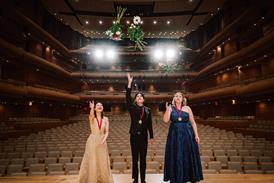
Next summer you’ll chair the jury of the inaugural Danish International Cello Competition. What will you be looking for in the young cellists taking part? The new competition places considerable emphasis on mentorship and career development. How important do you think that is alongside the traditional prizes?
Daniel Müller-Schott: I’m really looking forward to this. I have served on juries in the past, including those of the Queen Elisabeth and Tchaikovsky Competitions. However, this competition is taking place for the first time in 2027, and it has a slightly different approach.
It’s not just a competition; it has many fascinating elements. It is linked to the Cello Bridge Project, where all the participants can talk with members of the jury and receive further guidance about music and the cello. The cellists can also connect directly with managers from the classical music world.
It includes more communication and interaction than usual. It will be inspiring not only for us, but for everyone taking part. It’s mainly about mentoring and supporting, and hopefully we will encounter the most characterful and masterly personalities on the cello.
I feel that amid the beautiful natural surroundings of Sønderborg in Denmark, something special and memorable could happen.
You’ve been very active in introducing classical music to new audiences and exploring connections with other art forms. How do you see the place of classical music in today’s world? What do you think musicians and musical institutions could be doing differently to reach listeners, particularly younger generations?
Daniel Müller-Schott: I feel that in our times, music and art are needed more than ever before. The space created by a piece of music always opens up the possibility of reconnecting on a deeper human level. It gives us space to be in touch with our souls again.
In a world so dominated by virtual reality, social media and smartphones, these living experiences of art become even more meaningful and sacred.
For me, reaching out and connecting with the younger generation is very important. And I’m very grateful to see that many cultural institutions, orchestras and schools also feel the need to reach out, join forces and connect as much as we can, so that we don’t forget what a privilege it is to experience and share the music that all those fantastic composers have left us.
Read: Recording Dvořák with an extraordinary cello
Discover more Featured Stories like this in The Strad Playing Hub












No comments yet