







From natural harmonics and altered tunings to ringing open strings and whispered textures, the composer discusses the cello writing at the heart of his new album
Discover more Featured Stories like this in The Strad Playing Hub
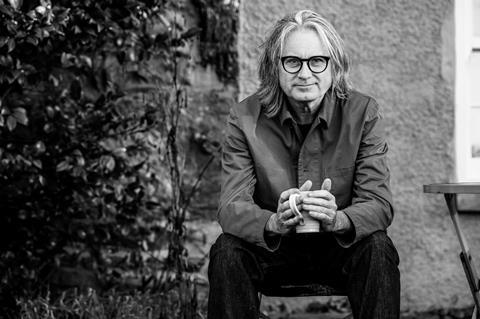
There’s a lot of new music out there competing for attention. Cocktail-combinations of instrumentation and genre are everywhere and loud proclamations made over social media. My new album Ones Twos and Threes turns away from this, facing elsewhere. Much of it is quiet, lyrical and sensuous. There are lots of pauses and space; time for the listener (I hope) to submerge themselves gently into the flow of the twenty-three pieces. Never far from the surface there is also a playfulness that informs every idea. I love this kind of duality.
String instruments feature strongly on this album of solos, duos and trios and there are two works specifically for cello that I will explore in detail here; Veil (for cello duet) and Eawl-Leet (for solo cello). Both take their inspiration from dusk, a time of day that is quite easily missed. It comes upon you, and this slow fading of light has a very poetic quality. It seems synonymous with the idea of deeper listening, slower attention, poise, and silences. In both pieces I explore this mood via the soft, muted and ringing sounds of the cello.
To achieve a dreamy sound-world, Veil is built entirely out of natural harmonics. It was important to me to find interesting harmonies for this piece that suggest something slightly mysterious. I improvised on the cello using various de-tuned strings, eventually arriving at a sweet spot where the melodies and implied harmonies started to take on a distinctive character. The bottom C is lowered to a B, and the G to an F#.
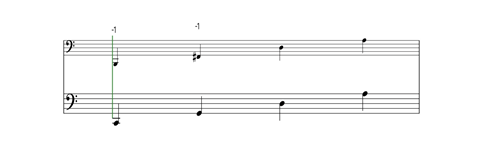
Harmonics have fascinated me for a long time. They are instantly breathy and wonderfully fragile. Some also have a ‘fruity’ tuning, providing a hint of being slightly off-kilter. I have used this same re-tuning recently to create a dark, melancholy mood for a new piece for string quartet and the song of the Blackbird. The Riot Ensemble will premiere Broken Line early next year.
Veil is a slow shifting of sections for the two cellos. Drones turn into melodies then sliding filigree, returning via melodies again and back into drone. It’s a palindromic structure. I love the idea of two simple things working together to create something more complex. Here the first cello begins, and gradually the piece expands and contracts as the second cello trails a section behind. The piece is a kind of slow canon where things get blurred and out of focus. This idea of interlocking cellos was also the basis for my double cello concerto Warp and Weft premiered by Guy Johnston and Gabriella Swallow with the Manchester Camerata in 2017 where this idea was explored in many different ways. Veil exists with no pulse and no regular bars. My hope is that the melody sound timeless but with a sense of internal flow. Nothing is improvised, and yet it sounds as if it could be. I like this ambiguity.
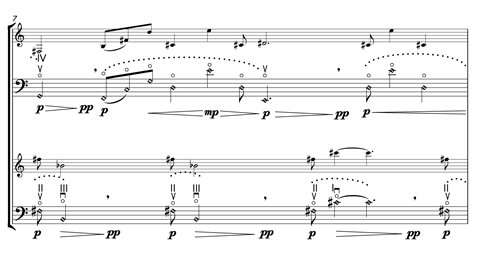
Recording Veil could have potentially been a challenge with a single player, but the music is so woven in its construction that it was simple enough to just record one cello part first and then layer the second on top. I have been extremely lucky to work with Natalie Rozario for many years. Her sound is just what you want in modern cello playing; beautifully rich, yet rhythmically inflected. She understood the music of Veil straight away and what you hear on the album are complete takes with the natural ebb and flow this brings.
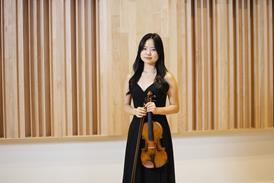
The second dusk piece on the album is Eawl-Leet for solo cello, performed on Ones Twos and Threes by the talented young Korean cellist Sun Haeng Cho. It was composed for the Royal Academy of Music ‘200 Pieces’ project in 2020. Eawl-Leet is an old North Lancashire word for twilight. It’s actually the longest piece on the album and again intentionally draws the listener into a gradually deepening sense of mystery.
There’s exploration once more of intimate techniques to focus gradually closer and closer listening, like a slow visual image zooming in. Much of the material is built around open strings blended with occasional natural harmonics. These two elements can sound very bell-like, with the sound ringing on, but they also provide opportunity to crunch together deep notes on the instrument with high harmonics and those ‘fruity’ tunings. The piece is a series of phrases which take a short flight using arpeggios, and then repose on a sustained harmonic. The piece builds in intensity, animating this same phrase in ever-higher registers and increasing dynamic.
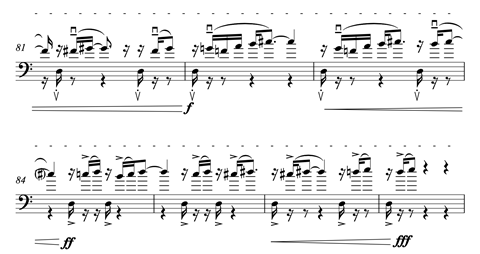
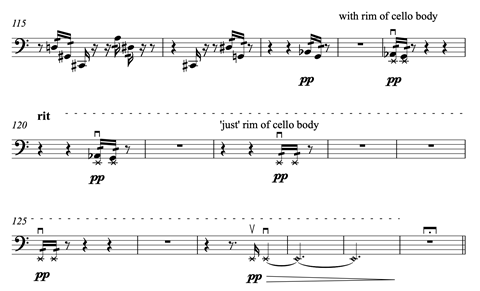
Towards the end, having transformed through ‘sul pont’, the fragmented figures fracture further with the player shifting to playing the rim of the instrument, at first in combination with a pitched note, and then simply as a percussive noise. A kind of breathy sigh.
I often come back to writing for the cello, placing the instrument into pieces for choir, songs, soundtracks and dance pieces. I trained as a cellist, but don’t really play that much now. The instrument of course, (the same one that took me through sixth form and University) remains an old and trusted friend. Things come alive when I begin playing it. Composing is often a very tactile activity for me. Ideas flow through the fingers as much as through the brain. I do a fair bit of improvising and love the way that this changes your mental state, opening up the possibility for ideas. With so much time needed to be at the computer these days, the return to the contact with wood, gut and horsehair feels ever-more welcome!
Veil is released as a single on 2 October on Squeaky Kate Records with the complete album Ones Twos and Threes coming out on 30 October on all streaming platforms and CD.
Watch the video of Veil here:
The scores of Veil and Eawl-Leet are available from Composers Edition https://composersedition.com/colinriley/.
Read: ‘Take the risk’: Alexander Hersh on building a visual world around new music
Read: Six composers, one instrument, incredible variety: ‘for cello, by cellists’
Discover more Featured Stories like this in The Strad Playing Hub











No comments yet